brand building rapid response solenoid valve assemblies?
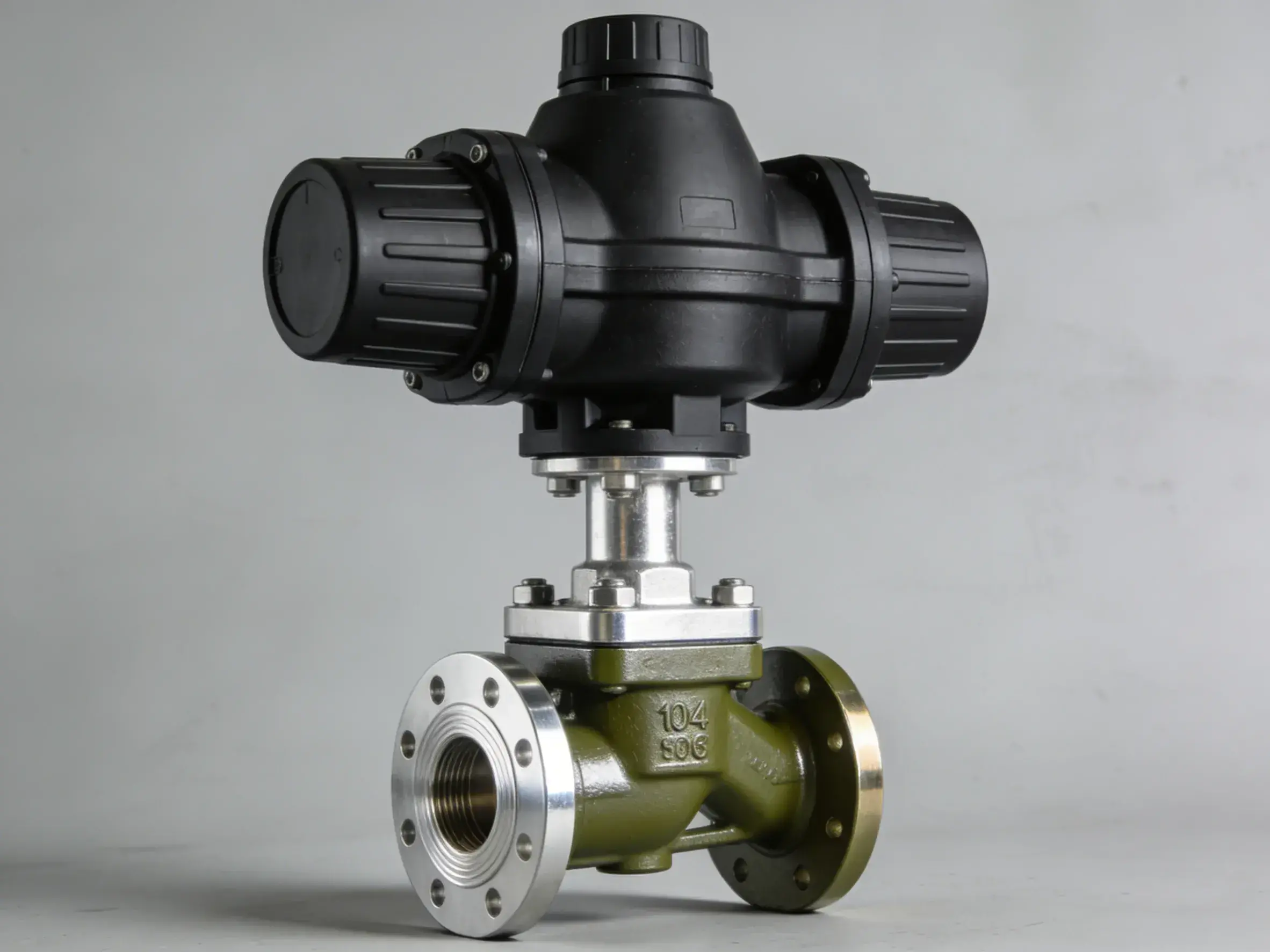
Indispensable industrial valve selection increases efficiency plus overall operational success. To achieve best functioning, there is a need to diligently select valves that conform to system necessities.
A complete valve decision guide shall examine a array of variables like fluid properties, force magnitude, thermal parameters, flow amount, and steering demands. Moreover, establishing the needed valve operation model such as pneumatic, hydraulic, or electric is crucial.
Extensive Survey on Butterfly Valve Effectiveness
Figuring out suitable operational metrics for butterfly valves is necessary for analysts striving for efficient system regulation. Study focuses on fundamental components affecting butterfly valve efficacy, embracing constituent traits, application surroundings, and measuring processes. By comprehensive investigation of these elements, this report intends to deliver an all-inclusive insight into contributors to butterfly valve functionality.
- Valve design features play a pivotal role in determining overall performance
- The substance constituting valve casing largely affects its longevity across different usage scenarios
- Loss of pressure remains a fundamental aspect in scrutinizing butterfly valve efficacy, especially with increased flow velocity
The Role of Ball Valves in High-Pressure Systems
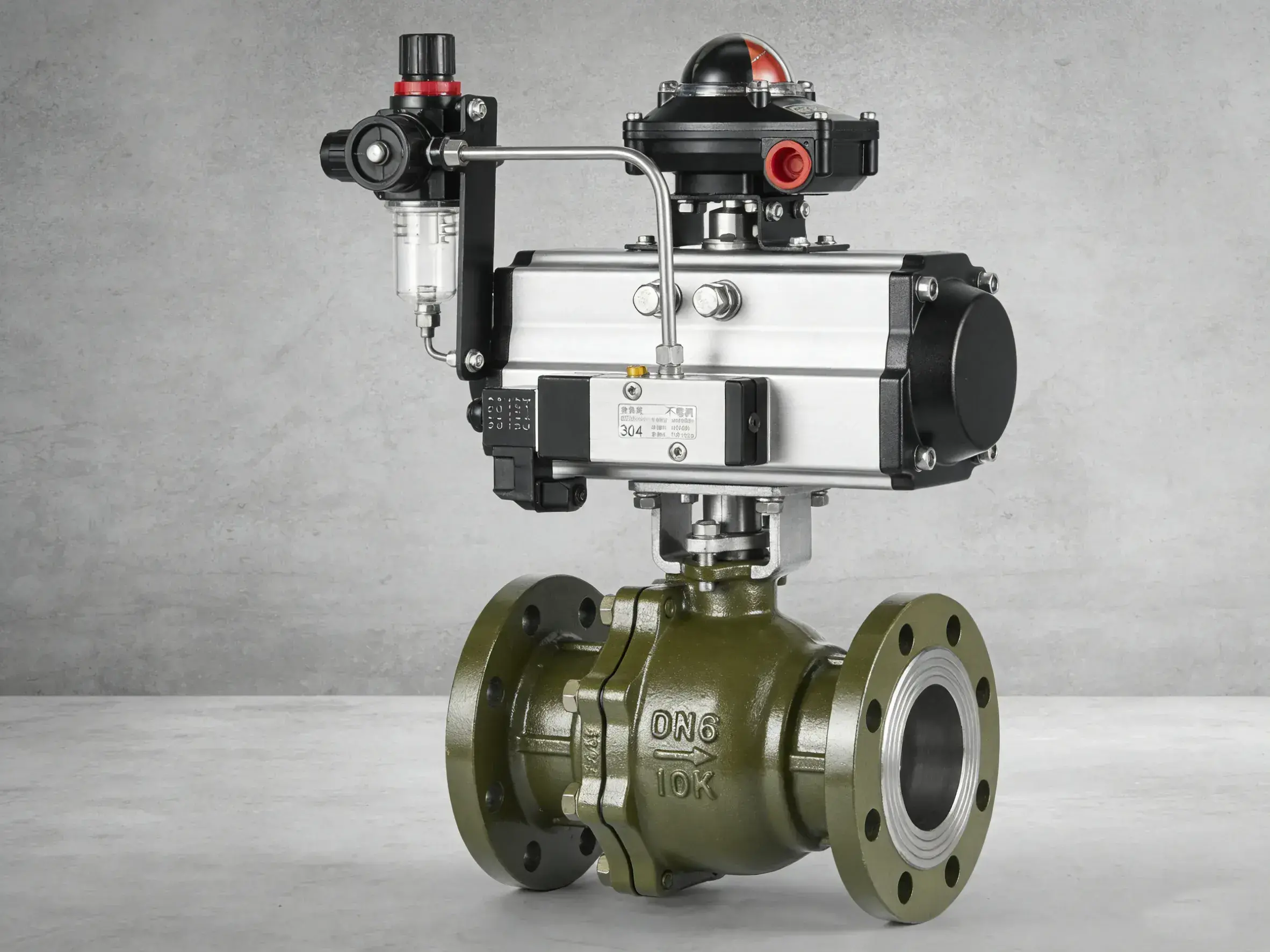
Ball valves prove to be robust selections for handling elevated pressure tasks. Their straightforward construction features a rounded sphere with an opening that spins to regulate liquid movements. This construction effectively handles high-pressure conditions thanks to its tight sealing.
Across industries such as fossil fuel, ball valves assume an indispensable position in administering high-pressure lines. Their resilience appoints them capable of braving the effect of heightened pressure matter.
- Besides, ball valves deliver swift movement, granting effective fluid regulation.
- Offered in diverse compositions and dimensions, ball valves are tailored to satisfy unique demands of varying elevated pressure uses.
Knowing Diverse Valve Kinds and Their Features
Throughout fluid mechanics, valves undertake a key role administering fluid and gas streams. Choosing a suitable valve classification is indispensable for guaranteed efficiency. Valves classify in line with their functional operation, design framework, and operational context. Frequently encountered valves encompass gate, globe, check, ball, and butterfly models. All classes manifest exclusive aspects, aligning them with specified conditions. For instance, gate valves are used for regulating flow completely, while globe valves provide fine control over flow rate. Check valves avoid backward movement, maintaining one-way travel. Ball valves execute quick and trustworthy toggle control, whereas butterfly valves are effective under big capacity demands.
Boosting Flow Handling via Industrial Valves
Supervising discharge flows is crucial across countless industrial activities. Industrial valve apparatuses maintain primary responsibilities guiding the flow of fluids and vapors across facilities. Employing suited valve categories along with effective control tactics allows producers to enhance operational productivity, security, and output excellence.
An essential subject in developing flow operation includes understanding numerous valve roles. Multiple valve outlines align with unique flow profiles, compression spans, and operational milieus. In particular, globe valves are often engaged for throttling flux, and ball valves shine in toggling operation.
For guaranteeing accurate fluid management, pondering over aspects like valve dimension, driving methods, and steering structures is crucial. Incorporating progressive control setups such as PLCs delivers automated fluid monitoring and regulation, enhancing operational performance.
Frequent servicing of industrial valves is important to deter malfunctions and sustain accurate fluid regulation. Discovering latent faults in advance aids in cutting costly downtime and promoting smooth execution of important operations.
Support Measures for Operational Valve Assemblies
Regular maintenance of industrial valves is crucial for ensuring smooth and reliable operation within any industrial setting. A detailed routine must be followed, involving periodic checks to uncover prospective concerns ahead of critical breakdowns. Applying lubricant to valve sections adhering to supplier counsel substantially boosts lifespan and lessens resistance. Besides, preserving valve purity by extracting contaminants supports flawless activity.
An exhaustive support strategy requires preserving logs of all valve maintenance, comprising dates, laborers, and substituted components. Detailed record maintenance benefits tracking valve efficiency over periods and fosters wise choices for subsequent repairs.
The Role of Automation in Valve Operation
The spread of automation has influenced valve control methodologies broadly. Adopting automated mechanisms permits improved valve supervision, cutting down on manual operations and enhancing workflow effectiveness. Automated valve operation offers several benefits, including increased accuracy, reduced downtime, and greater safety
- Control instruments represent critical roles in auto-regulated valve frameworks, rendering prompt knowledge on valve setting. Control software processes feedback to automatically govern valve parameters
- Programmable logic controllers commonly handle robotic valve control, facilitating intricate operational schemes. Such modules track valve health, flag concerns, and administer corrective responses
Also, electronic valve regulation provides advanced process oversight. By collecting data on valve performance, operators can gain valuable insights to optimize process efficiency and reduce operational costs
Safety Considerations for Industrial Valve Installations
When mounting valves in industrial settings, meticulous safety standards are fundamental. Skipping safety policies provokes serious emergencies, possibly resulting in equipment harm and chiefly personnel casualties. A vigilant peril inspection must be arranged before mounting to uncover hazards and integrate applicable management measures.
Ensure that all personnel involved in the installation process are adequately trained and certified in handling industrial valves and adhering safety guidelines. Organize a reliable method of inspection cycles purposed to identify defects or decline in valve components. Retain complete paperwork covering all installation, evaluation, and servicing efforts to support long-term management
- Comply relevant industry standards and regulations governing valve installation and operation
- Deploy proper gear and hardware intended for production valve placement
- Communicate effectively with all stakeholders involved in the project to ensure a safe and efficient installation process
Valves: Indispensable Units for Industrial Processes
Across the sophisticated segment of fabrication/processing/manufacturing frameworks, valves become fundamental pieces. They function to control fluid movement through intricate networks, maintaining effective operation and security. Valves integrate broadly into numerous operations, involving handling of heat and pressure as well as transporting commodities
- Various valve groups emerge, each tailored to accomplish selected missions. Familiar samples feature gate, ball, and globe types
- The selection of the appropriate valve depends on factors such as flow rate, pressure, temperature, and the type of fluid being handled
- Dependable valve operations remain critical in manufacturing contexts to avoid interruptions and guarantee output standards
Frequent evaluation of valves is crucial for enhancing durability and avoiding prospective malfunctions
High-Tech Materials in Valve Creation and Building
The modernization of valve fabrication and development directly results from systematic integration of modern substances. These pioneering materials furnish wide-ranging improved aspects against customary substitutes, aiding fabricators in generating superior valves. Characteristic instances involve tough ceramics selected for firmness under strict circumstances, along with light metallic materials maximizing productivity while limiting weight. The employment of pioneering substances contributes to valves having superior sealing features, prolonged life cycle, and heightened protection from corrosion
Valve Actuation Mechanisms: A Comparative Study
{This investigation delves into the diverse valve actuation mechanisms prevalent in modern engineering applications|This exploration examines the varied valve drive technologies common in contemporary engineering uses|The study analyzes the mixed valve triggering systems typical in current engineering projects|This research evaluates the assorted valve motion methods widespread in advanced engineering scenarios|The survey inspects the multiple valve control techniques existing in up-to-date engineering solutions|This review considers the butterfly valve assorted valve operating mechanisms encountered in present-day engineering environments|This analysis explores the various valve activation systems found in progressive engineering implementations|The inquiry scrutinizes the heterogeneous valve act