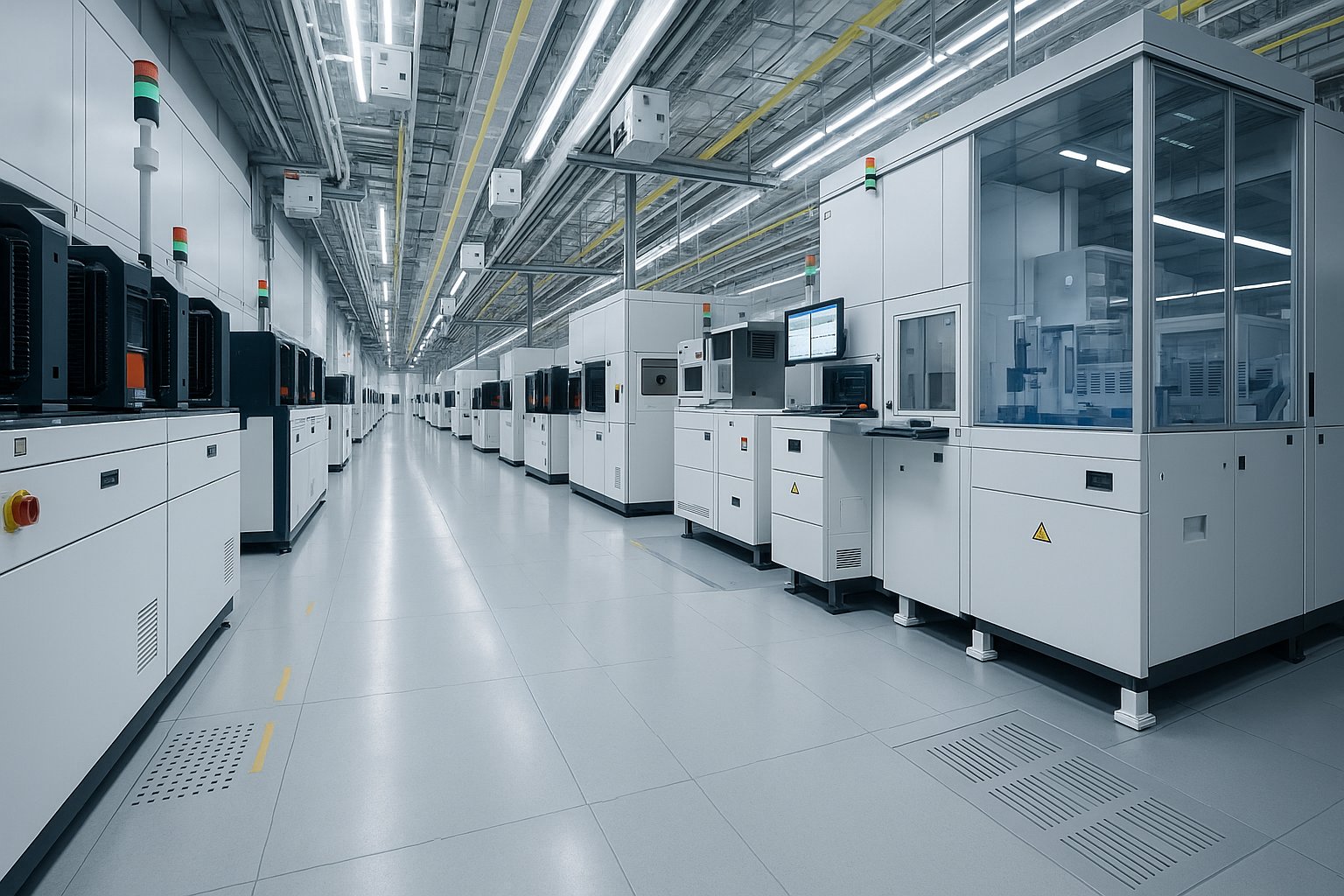
cost smart rie etcher technology upgrades?
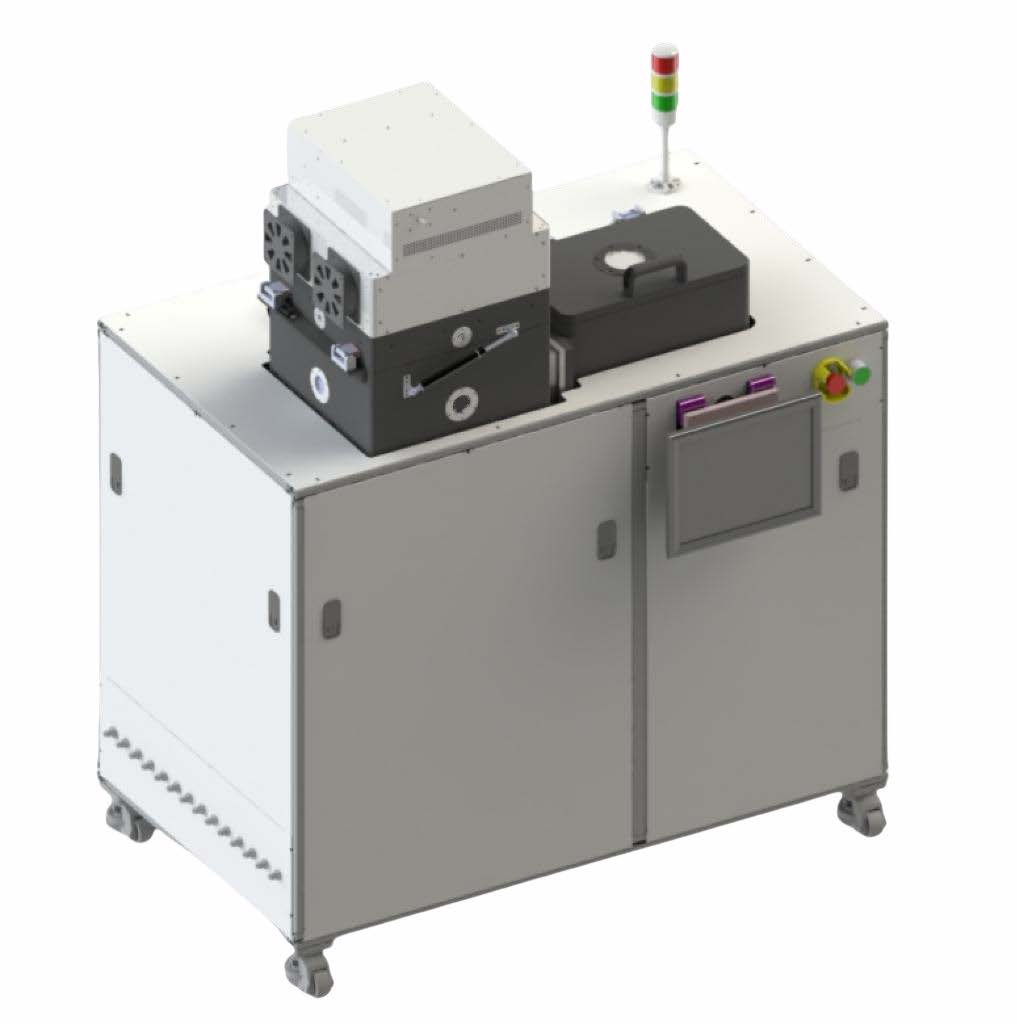
Fundamentals about plasma ablation through microelectronic manufacturing. This strategy exploits ionic medium to targetedly extract substrate layers for exact layout creation during microscale production. By adjusting core determinants like gas blends, voltage level, and gas pressure, the rate of material removal, material preference, and structural anisotropy can be specifically adjusted. Plasma etching has redefined electronic patterning, measuring instruments, and modern digital devices.
- Furthermore, plasma etching is extensively explored for subjects related to optics, life sciences, and solid material research.
- Several categories of plasma etching stand out, including reactive plasma etching and coupled plasma techniques, each with particular merits and constraints.
The sophisticated characteristics of plasma etching necessitate a in-depth grasp of the basic mechanics and chemistry. This paper seeks to offer a elaborate presentation of plasma etching, featuring its key points, several versions, implementations, strengths, problems, and expected advancements.
Riechert Etchers: Precision in Microfabrication
Relating to micron-level engineering, Riechert etchers are renowned as a top choice. These cutting-edge devices are famed for their unrivaled exactness, enabling the fabrication of complicated configurations at the nanometer proportion. By employing state-of-the-art etching methods, Riechert etchers provide spot-on command of the manufacturing sequence, yielding outstanding outcomes.
Riechert etchers operate in a diverse series of areas, such as semiconductors. From assembling microchips to designing advanced medical gadgets, these etchers form a cornerstone in guiding the progress of high-tech equipment . With resolve to mastery, Riechert defines criteria for exact microfabrication.
Core Principles and RIE Applications
Reactive charged ion etching stands as a major procedure in integrated circuit processing. RIE applies a mix of plasma ions and reactive gases to cut materials with specificity. This action entails bombarding the workpiece layer with active charged particles, which bond with the material to construct volatile etch byproducts that are then disposed with a vacuum system.
RIE’s power for selective directional etching makes it particularly valuable for producing fine configurations in silicon chips. Use cases of reactive ion etching extend over the fabrication of transistor elements, chip designs, and optical systems. The technique can also fabricate narrow openings and electrical conduits for advanced memory chips.
- RIE workflows grant stringent supervision over etch rates and substance differentiation, enabling the assembly of fine characteristics at superior clarity.
- Various gas mixtures can be deployed in RIE depending on the fabrication surface and needed process properties.
- The linearly etching quality of RIE etching provides the creation of precise edges, which is fundamental for certain device architectures.
Enhancing Anisotropy and Selectivity in ICP Etching
Inductively coupled plasma (ICP) etching has arisen as a key technique for developing microelectronic devices, due to its first-rate capacity to achieve intense directional removal and process specificity. The detailed regulation of plasma characteristics, including voltage supply, reactive gas blends, and system pressure, permits the accurate control of pattern formation speeds and etch topographies. This adjustability permits the creation of refined structures with controlled harm to nearby substances. By optimizing these factors, ICP etching can reliably suppress undercutting, a usual complication in anisotropic etching methods.
Study of Plasma Etching Procedures
Reactive plasma etching techniques are broadly executed in the semiconductor realm for constructing elaborate patterns on material bases. This survey evaluates different plasma etching practices, including plasma-enhanced chemical vapor deposition (PECVD), to determine their capability for different compounds and targets. The study emphasizes critical factors like etch rate, selectivity, and pattern fidelity to provide a extensive understanding of the advantages and issues of each method.
Enhancing Etch Rates through Plasma Calibration
Reaching optimal etching capacities in plasma treatments calls for careful feature regulation. Elements such as voltage magnitude, chemical concoction, and gaseous pressure heavily dictate the rate efficiency. By deliberately altering these settings, it becomes achievable to increase capability levels.
Chemical Principles in Reactive Ion Etching
Ion-driven reactive plasma etching is a crucial process in microscopic fabrication, which entails the utilization of ionized carbon particles to meticulously carve materials. The underlying principle behind RIE is the dynamic interplay between these reactive charged domains and the material interface. This interaction triggers molecular interactions that parse and ablate molecules from the material, forming a specified configuration. Typically, the process applies a integration of chemical agents, such as chlorine or fluorine, which are ionized within the reactor. These electron-deficient substances impact the material surface, activating the chemical stripping reactions.Efficacy of RIE is contingent upon various conditions, including the class of material being etched, the selection of gas chemistries, and the working parameters of the etching apparatus. Accurate control over these elements is crucial for achieving top-tier etch profiles and minimizing damage to adjacent structures.
Managing Spatial Etch Patterns in ICP
Obtaining accurate and reproducible etches is necessary for the quality of many microfabrication practices. In inductively coupled plasma (ICP) fabrication systems, operation of the etch pattern is important in establishing dimensions and characteristics of parts being developed. Major parameters that can be modified to influence the etch profile contain plasma gas ingredients, plasma power, thermal conditions, and the tooling design. By thoughtfully tuning these, etchers can engineer structures that range from evenly directional to profile-controlled, dictated by specific application specifications.
For instance, mainly vertical etching is often sought to create lengthy cuts or through-holes with clearly marked sidewalls. This is completed by utilizing strong bromine gas concentrations within plasma and sustaining limited substrate temperatures. Conversely, symmetrical etching produces smooth profile profiles owing to etching method's three-dimensional character. This type can be valuable for area-wide material removal or surface leveling.
What's more, state-of-the-art etch profile techniques such as alternating gas etching enable the manufacturing of extremely precise and slim and extended features. These techniques generally need alternating between etch cycles, using a compound of gases and plasma conditions to realize the planned profile.
Comprehending primary contributors that impact etch profile formation in ICP etchers is crucial for boosting microfabrication processes and manifesting the intended device efficiency.
Plasma Etching Techniques in Semiconductor Fabrication
Plasma-assisted removal is a primary technique utilized in semiconductor creation to selectively strip substances from a wafer surface. This method implements intense plasma, a bath of ionized gas particles, to remove defined locales of the wafer based on their chemical traits. Plasma etching delivers several upsides over other etching methods, including high vertical selectivity, which contributes to creating profound trenches and vias with reduced sidewall injuries. This sharpness is key for fabricating complex semiconductor devices with stratified structures.
Deployments of plasma etching in semiconductor manufacturing are wide-spread. It is utilized to fabricate transistors, capacitors, resistors, and other essential components that build the root of integrated circuits. Also, plasma etching plays a significant role in lithography procedures, where it facilitates the exact structuring of semiconductor material to frame circuit drawings. The preeminent level of control made available by plasma etching makes it an crucial tool for modern semiconductor fabrication.
Novel Developments in Etching
Advanced plasma treatments experiences ongoing advancement, driven icp rie etching by the heightened push towards enhanced {accuracy|precision|performance