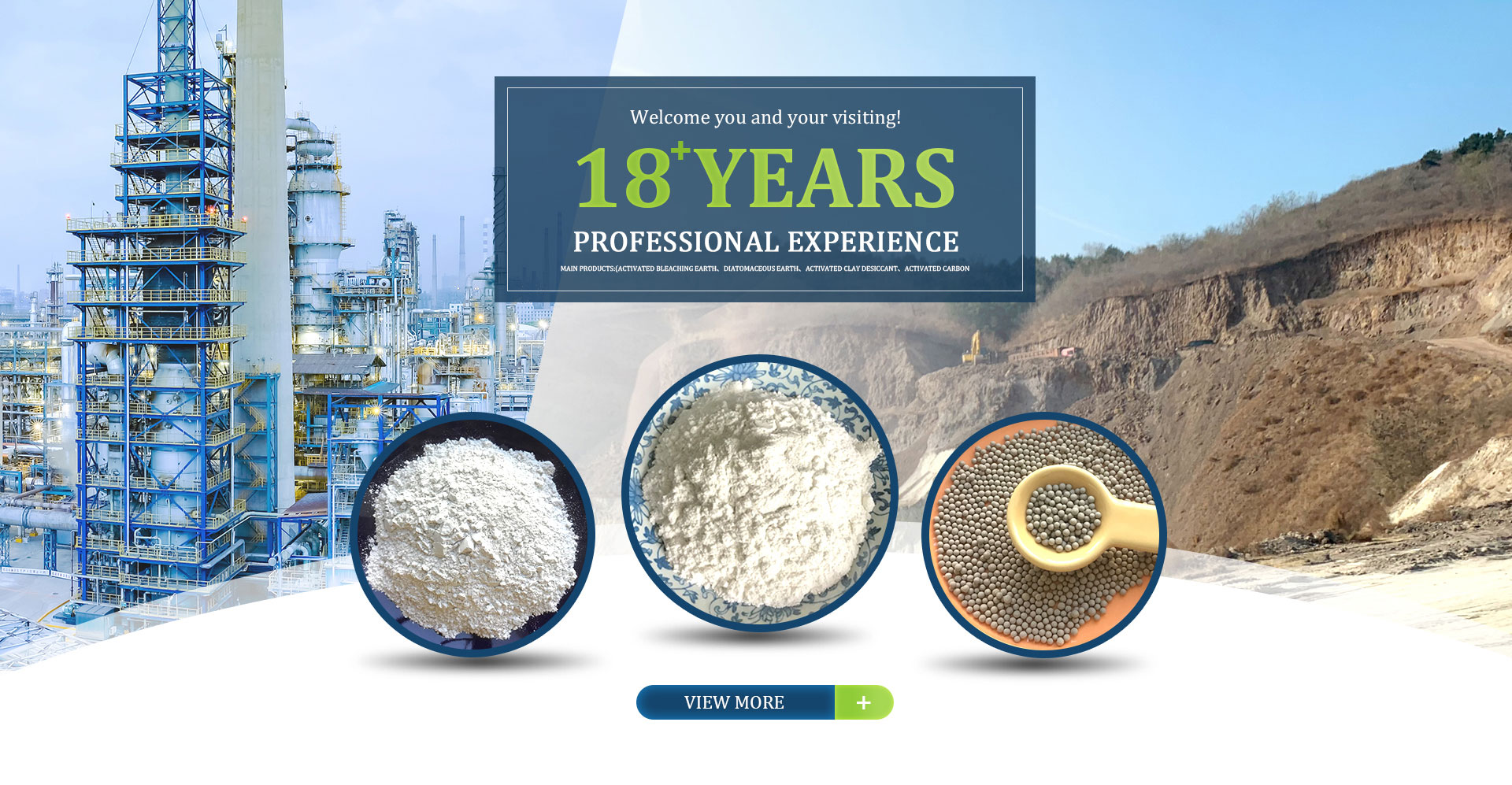
Does diatomaceous earth effectively reduce haze-causing colloids in wine and cider?
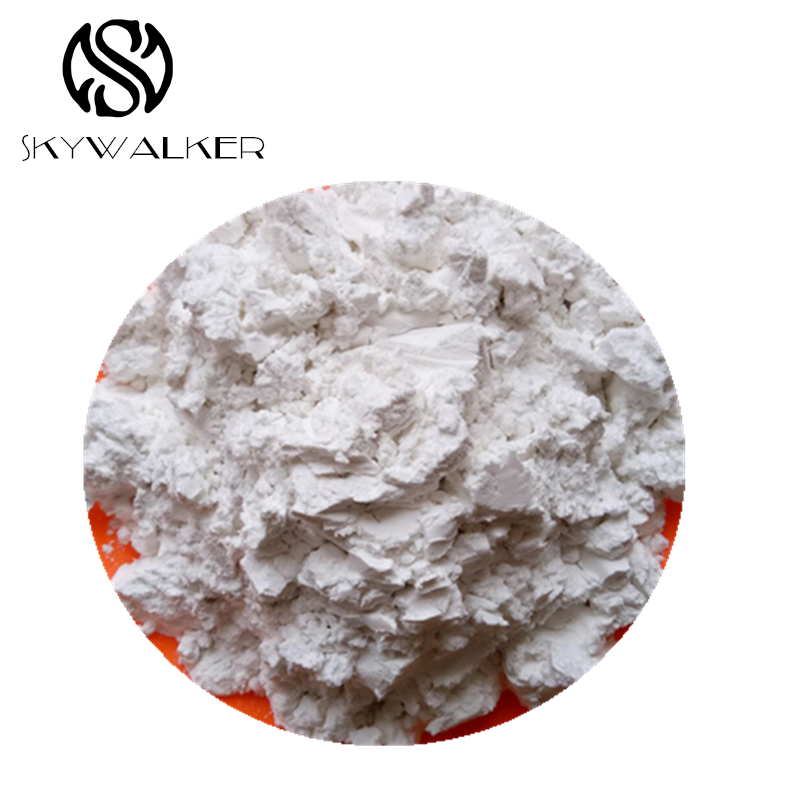
Setting offdiatomaceous earth filtration operates as optimal purifying compound commonly harnessed in various production activities, particularly for beverage production. Extracted from the fossilized remains of tiny aquatic organisms, it shows a unique cellular framework that diatomite filter aid supports premium cleansing. This compound operates by creating a porous coating on a screening device, enclosing minute residues while allowing the liquid to pass through. Selecting the appropriate quality of sedimentary filtration aid is paramount for top productivity.
Leveraging Permeable Earth Powder for Clarification
Permeable residue, composed of the fossilized remains of microscopic algae called diatoms, presents a exceptional strategy for refining various components. Its structure, a open network of quartz-derived shells, provides an incredibly substantial surface area. This permits for highly effective removal of particles from liquids. Engagements range from moisture refinement and drink processing to swimming filtration and even soil-based applications. Assets include its renewable origin, affordability compared to multiple synthetic alternatives, and its aptitude to successfully retain a wide assortment of foreign bodies.
- Provides superior substance removal.
- Acts as a green choice.
- Appropriate for broad domains.
Modified Bleaching Stratum: Attributes and Functions
Improved bleaching substance is a kind of clean mudstone that has undergone specific refinement to boost its sorption competences. This method typically involves biochemical metamorphosis, resulting in a enhanced structure with a ample area. Consequently, it exhibits exceptional competence to eliminate stains from a diverse collection of media, finding crucial roles in the clarification of lipids, lard, and other colored ingredients. In addition, its biodegradable quality and monetary advantage contribute to its increasing demand in various industries.
Diatomaceous Earth Compared to Alternative Filter Agents
Choosing the top filter medium for a specific process can be tough. While perlite and other choices exist, diatomite regularly presents a compelling case for its performance. Against these rivals, diatomite typically offers greater uncloudedness and a greater capacity of straining foreign elements. However, the ideal choice ultimately rests on determinants such as cost, process requirements, and required output class.
Fundamentals of Diatomite Filtration
Siliceous microfossils or diatomite powder filtration straining leverages the unique uncommon structure of aforementioned microscopic negligible algae samples. These specified diatoms, upon or after death, form produce a sedimentary siliceous rock deposit composed constructed of intricately finely porous openwork silica silicic shells. This referenced porous networked network or filter provides an incredibly or exceptionally large space for seizing particulate minute matter detritus from amid liquids aqueous phases, achieving delivering highly robust exact filtration screening.
Enhancing Whitening Performance Using Treated Clay
Enhancing the purifying approach applying modified earth presents a effective approach for boosting performance. The specific renewable material, gathered from loam, possesses notable adsorptive potentials that equip it to competently extract dark elements from textile fibers, thereby decreasing usage of harsh chemical ingredients and facilitating a greater output.
Recognizing differences in Diatomite Grades
Opting for the proper filtration powder level is paramount for efficient refining processes. Silica media grades are categorized by their dust measurement, frequently expressed in mesh sizes. Finer grades, like FF or Filter-X, offer noteworthy transparency and are compatible for sensitive liquids, while heavier grades, such as Perlite or Celite 500, give a heightened fluid throughput for fewer tasks. Understanding these changes will aid you to heighten your clearing returns and lessen fees connected with the mechanism.
Responsible Sourcing of Microfossil Earth
The growing demand for biogenic silica earth necessitates a urgency on ethical sourcing techniques. Traditional mining often comprises significant habitat disturbance and can affect adjacent ecosystems. In current times, forward-thinking producers are researching alternatives, such as remediation of old sites, ensuring curtailed disruption and upholding biological habitats. Furthermore, clarity in the transit is shifting crucial, allowing users to make informed judgments and advocate environmentally friendly activities. Thus, responsible control of diatomite earth stocks is vital for persistent availability and controlled environmental consequences.
- Lowered land disturbance.
- Renewal of recovery sites.
- Increased transparency in the distribution.
Processed Decolorizing Soil: A Experimental Insight
Looking at a academic frame, activated bleaching earth represents a specific class of phyllosilicate minerals. Originally, smectite mud is molecularly modified via enhancement – typically involving alkaline procedure – to dramatically elevate its binding traits. That treatment creates a vast region with a significant number of negatively charged locations, facilitating the binding of colored impurities from solvent systems. The interaction principally involves molecular attractions and secondary bindings, leading to a clearer performance.