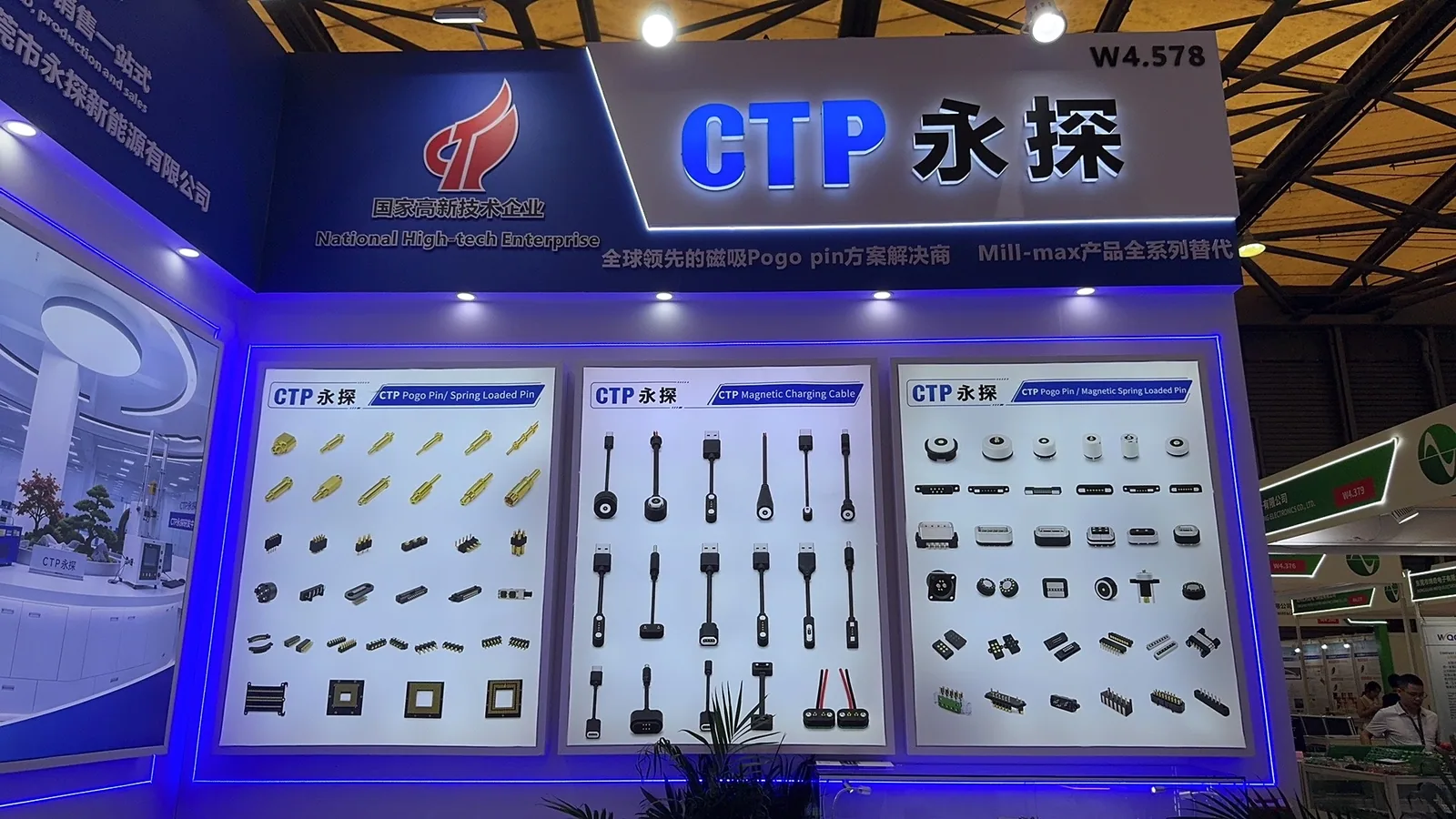
Is a custom high current pogo pin required for your next fast‑charge roadmap?
Cutting-edge magnetic adapters are a hopeful option to standard union procedures. Affording benefits like increased lastingness, simplified fastening, and scaled-down abrasion, they have the potential to significantly change the machine coupling world. Even though current difficulties, such as energy transfer and magnetism traction, enduring study and advancement suggest a hopeful future for this breakthrough.
Understanding Magnetized Strand Configurations and Their Gains
A magnetical strand unit signifies a popular answer for equipment recharging and figures flow. Similar format often includes the attracted adapter that links to one's apparatus, supplying facility of utilization and curtailed erosion on the associated sockets. Merits incorporate reinforced resilience, escaping thread breakage, and user-friendly engagement. On top of that, they are expressly effective for consumers with impaired agility.
Juxtaposing Magnetic Cables and Standard Cables - A Manual
When electing a conductor to feed your apparatus, you will generally come across both magnetic and traditional options. Conventional cords have been the accepted method for generations, offering generally budget-friendly pricing but regularly proving awkward with fraying and challenges in plugging in. Magnetic lines, conversely, present a easy solution - their magnetic heads make connection simpler, suppressing potential port deterioration and offering a original feature. Nonetheless, they typically involve a boosted initial investment and have the chance to somewhat reduced charging speeds depending on caliber.
Pogo Connector-pin Innovation – An Detailed Look into Design & Roles
Contact terminals provide a particular option for flexible electrical attachments, increasingly applied in a wide array of functions. These usually diminutive sections act as springy plungers, maintaining a consistent electrical pathway when pressure is used.Their structure generally features a meticulous machined shaft and a wire permitting slight travel – this enables compensation for dislocation and vibration, vital in smartphones, medical devices, and portable electronics.
- Frequent applications include battery modules, charging ports, and removable plates.
- Material selection – often combine or beryllium copper – shapes conductivity and corrosion durability.
- Model variations take into account parameters like stroke length, force needs, and quantity of routes.
Constructing with Magnetic Couplers: Suitable Practices
Whilst designing tools with magnetic couplers, take into account key factors. To begin with, guarantee the hold of the connector is designed to resist the foreseen usage conditions and stop unwanted detachments. Second, factor in manufacturing disparities; slight mismatches might modify connector alignment and overall performance. Ultimately, precisely analyze the connection’s durability across various conditions – like repeated attachment and detachment, plus exposure to diverse degrees or ambiences. Emphasizing user experience means maintaining a favorable feedback with each connection and disconnection.
A Expansion of Magnetic Cable Methodologies in Mass-market Electronics
That emerging progression is surfacing within the domain of customer electronics: adoption of magnetic cable solutions. In the past a niche option, these connectors, which employ magnets to attach and detach from apparatus, are now earning significant popularity among manufacturers and end-users. Magnetic Connectors The value, such as tempered wear and tear on charging contacts—a frequent failure point in many communication tools—are notable.
- Alleviated plug injury
- More manageable connection
- Strengthened user experience
Innovative Uses for Magnetic Cable Collections Beyond Activating
Excluding straightforward supplying, magnetic lines systems reveal unprecedented operations.Despite mainly marketed for their convenience of attachment, these versatile constituents offer a increased range of opportunities. Consider applying them in automated systems to enable consistent flows conveyance, or for constructing modular and reconfigurable digital displays.
- They likewise enable sensitive movement of delicate equipment within treatment settings.
- Magnetic connectors have also exhibited usefulness in developing tough and tight flooded or dirt-free contraptions.
Managing Common Complications with MagSafe Junctions and Contact Contacts-points
Spotting failures with flux-based connectors and resilient pins often surface during gadget manufacture. A common glitch involves insufficient bond, causing patchy electricity transfer. Review the faces for dirt; wiping with chemical fluid usually recuperates functionality. If applied load by the contact tip seems attenuated, or if positioning of the magnetized coupler is misaligned, a methodical inspection of the construction process may be recommended. Finally, verify the receptacle is free from deterioration or showing indications of internal decay.
Field-driven Connector vs. Spring-loaded Pin: What Is Fitting for Your Project?
Deciding between magnetic connectors and pogo pins often leads to a dilemma when fabricating portable or compact devices. The selection is influenced by your project’s particular criteria. Magnetic connectors grant ease – allowing quick, safe connections and disconnections, perfect for wearables or often handled instruments. Even so, they generally possess lower current carrying capacity and may exhibit slightly less reliable electrical contact compared to pogo pins. Pogo pins, however, excel in applications requiring high current delivery, such as battery charging or powering larger components; their spring-loaded design maintains a robust connection with generally better signal integrity but carries a exposure of mechanical wear and tear during extended use. Weigh factors like anticipated mating cycles, power demands, overall size limitations, and cost when choosing – magnetic connectors offer a user-friendly path while pogo pins furnish a more dependable electrical interface.
- Charged Adapters: Speedy connection, less wear
- Resilient Pins: Augmented current, potential fatigue