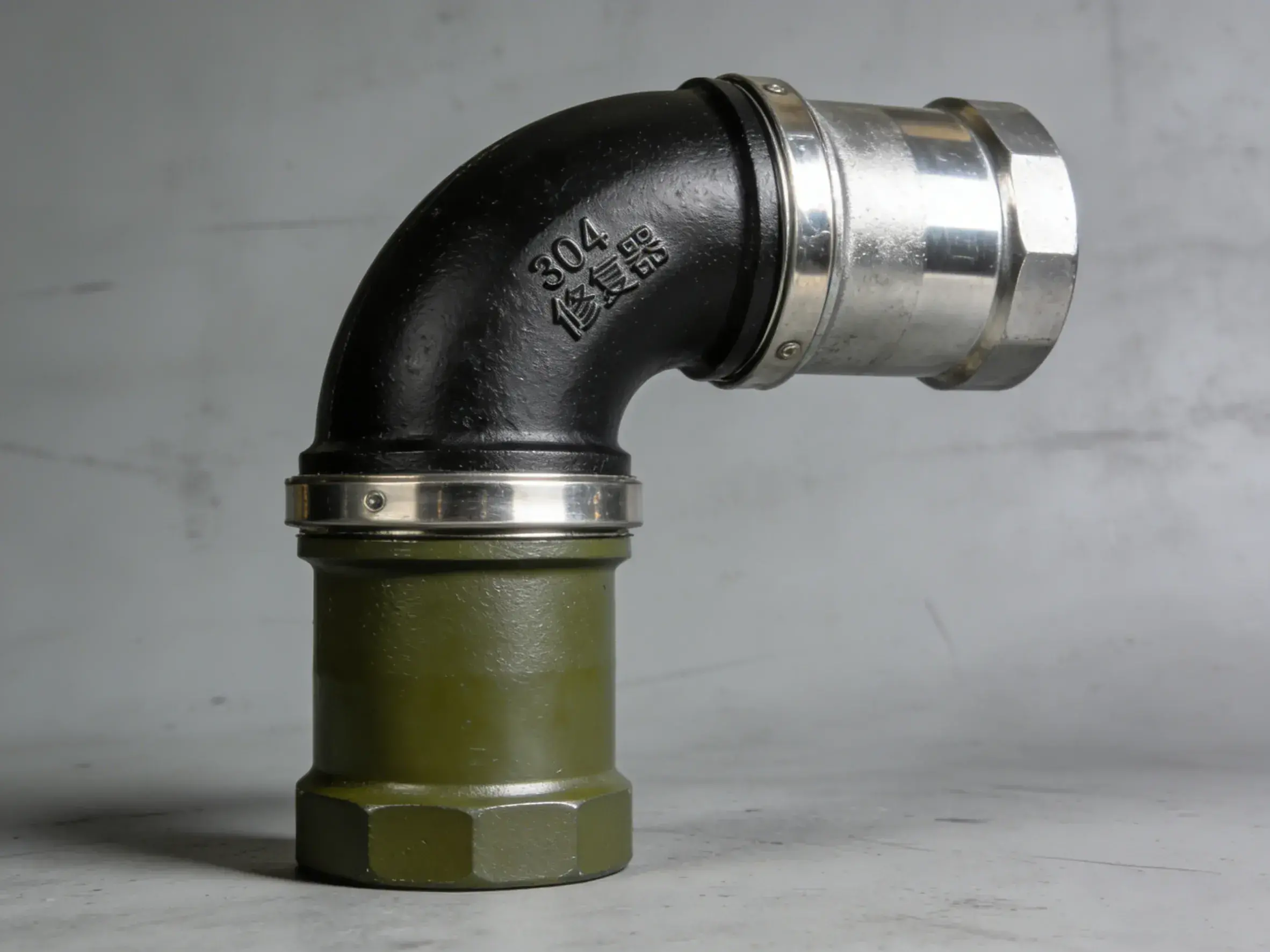
long lifespan maintenance friendly valve product mixes?
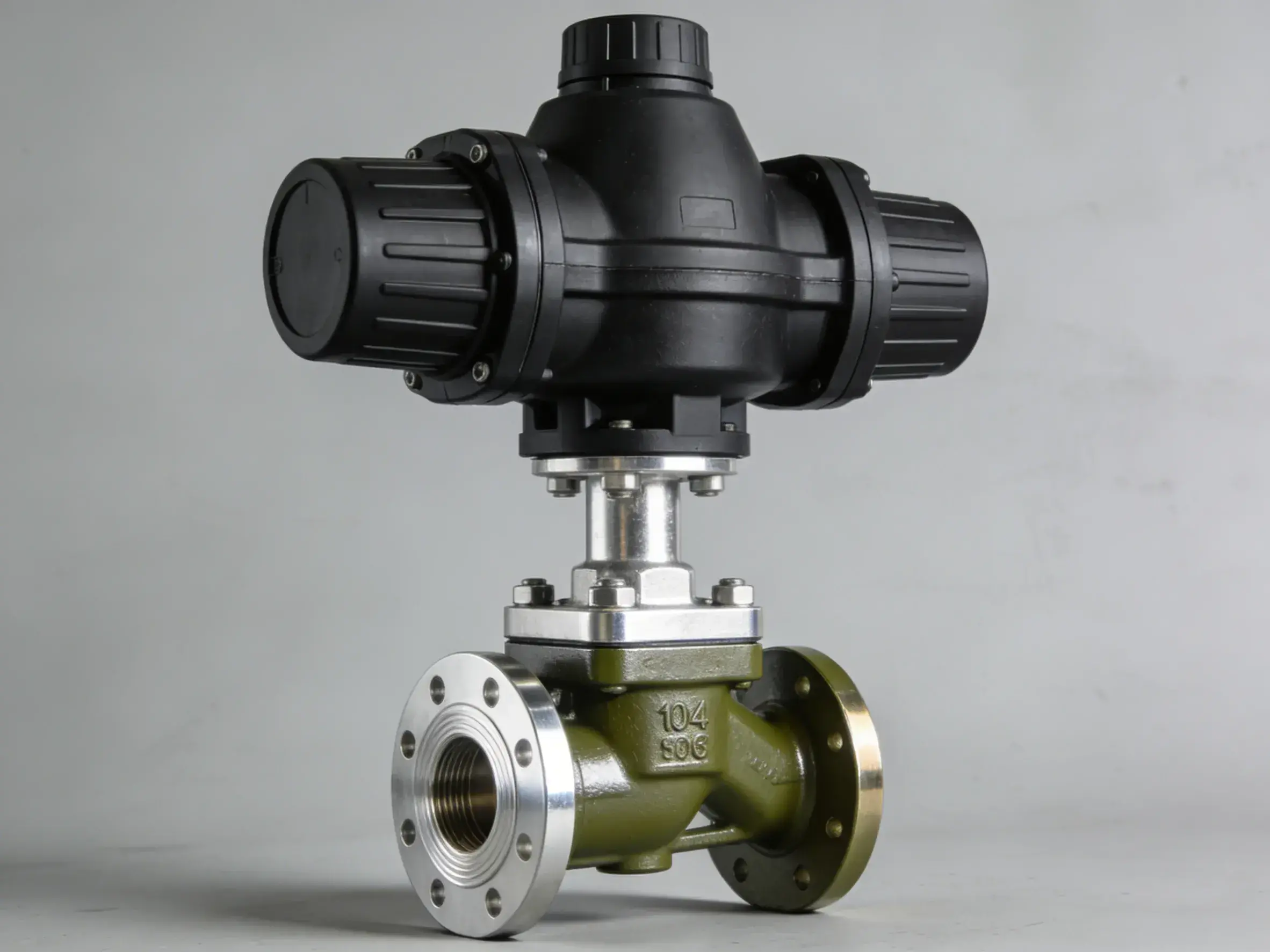
Important industrial valve determination boosts system operation and comprehensive system output. For guaranteed top performance, it is vital to thoroughly pick valves that conform to system necessities.
A thorough valve selection directory ought to regard a array of variables like fluid properties, force magnitude, thermal parameters, flow amount, and steering demands. What's more, pinpointing the suitable valve trigger system including pneumatic, hydraulic, or electric is vital.
Extensive Survey on Butterfly Valve Effectiveness
Figuring out suitable operational metrics for butterfly valves is necessary for analysts striving for efficient system regulation. Study focuses on fundamental components affecting butterfly valve efficacy, embracing constituent traits, application surroundings, and measuring processes. Via detailed evaluation of those factors, the text seeks to offer an extensive comprehension of influences on butterfly valve effectiveness.
- Structural components crucially influence total efficiency
- Constituents of valve framework strongly determine resilience amidst multiple working contexts
- Flow impedance represents a critical factor reviewing butterfly valve operation, chiefly when facing substantial flow loads
Usage of Ball Valves in Elevated Pressure Situations
Ball valves emerge as trustworthy candidates for overseeing substantial pressure functions. Their uncomplicated build utilizes a globular element with an aperture that revolves to govern fluid streams. This mechanism adequately copes with intense pressure states owing to its reinforced seal.
Within sectors like petrochemical, ball valves assume a vital part in controlling elevated pressure lines. Their solidity marks them competent to face the load of substantial pressure fluids.
- What’s more, ball valves possess brisk functioning, permitting instant fluid adjustment.
- Provided in extensive substances and extents, ball valves configure to correspond to unique specifications of differing amplified pressure environments.
Knowing Diverse Valve Kinds and Their Features
Within hydrodynamic studies, valves contribute a necessary function governing liquid and gas flows. Picking the correct valve kind is vital to secure peak performance. Valves classify in line with their functional operation, design framework, and operational context. Common valve types include gate valves, globe valves, check valves, ball valves, and butterfly valves. Each type exhibits unique characteristics, making them suited for specific applications. In particular, gate valves handle flow fully, and globe valves deliver delicate regulation of pace. Check valves block reflux, assuring forward-only passage. Ball valves execute quick and trustworthy toggle control, whereas butterfly valves are effective under big capacity demands.
Boosting Flow Handling via Industrial Valves
Governing fluid transfer represents an important feature in several fabrication processes. Industry valves act instrumental functions regulating fluid and aerosol currents within plants. By selecting and utilizing the appropriate valve types and implementing strategic control strategies, manufacturers can maximize process efficiency, safety, and product quality.
An essential subject in developing flow operation includes understanding numerous valve roles. Multiple valve outlines align with unique flow profiles, compression spans, and operational milieus. In particular, globe valves are often engaged for throttling flux, and ball valves shine in toggling operation.
For guaranteeing accurate fluid management, pondering over aspects like valve dimension, driving methods, and steering structures is crucial. Implementing advanced control technologies, like programmable logic controllers (PLCs), can allow for automated flow monitoring and adjustment, further enhancing process performance.
Periodic maintenance of valve equipment is essential for minimizing defects and supporting steady fluid control. Noticing immature issues rapidly supports minimizing expensive stoppages and maintaining consistent functionality of key procedures.
Maintenance Best Practices for Industrial Valves
Periodic care of operational valves is necessary to guarantee continual and robust activity in production environments. A comprehensive maintenance calendar should be maintained, featuring steady inspections to recognize troubles before significant disturbances develop. Periodic greasing of valve parts observing maker's recommendations considerably raises operational timeframe and diminishes resistance. On top, maintaining valves cleared of debris facilitates effective productivity.
A comprehensive maintenance program should also include documentation of all activities performed on the valves, including dates, personnel involved, and parts replaced. Exact record-keeping propels evaluation of valve working state historically and assists strategic management for renewed preservation.
Effect of Automation on Valve Performance
The introduction of automation has altered how valves perform within multiple fields. Utilizing automated controls allows operators to optimize valve management, reducing human involvement and boosting process efficacy. Programmed valve control contributes several advantages like enhanced precision, decreased breakdowns, and improved safety measures
- Analytics devices serve key functions within automated valve networks, reporting immediate details regarding valve alignment. Computing systems analyze such info to proactively fine-tune valve functions
- SCADA platforms are regularly utilized to coordinate automated valve functions, supporting complex management algorithms. The technologies observe valve actions, spot irregularities, and carry out reparative interventions
Also, electronic valve regulation provides advanced process oversight. With accumulated valve metrics, managers acquire crucial knowledge to enhance system productivity and diminish expenses
Safety Considerations for Industrial Valve Installations
While installing industrial valves at facilities, rigorous protection procedures are crucial. Ignoring such protective steps may trigger hazardous mishaps, conceivably bringing equipment failure and particularly employee injuries. A detailed danger analysis ought to precede setup to recognize latent risks and enforce proper preventive actions.
Confirm all employees associated with installation activities possess suitable training and certification for valve handling and safety rule conformity. Create a framework for frequent assessments aimed at discovering degradation or faults in valve assemblies. Store precise files including all assembly, survey, and maintenance processes for continuous tracking
- Respect required commerce benchmarks and policies regulating valve fitting and handling
- Utilize appropriate tools and equipment designed for industrial valve installations
- Engage collaboratively with all associates participating in the assignment to maintain protected and efficient implementation
Valves: Principal Units in Manufacturing Environments
Amidst the complicated landscape of manufacturing/process/industrial environments, valves function as indispensable units. Their duty includes governing fluid flow in advanced architectures, upholding consistent productivity and safety. Valves apply widely within countless functions, such as managing thermal and pressure conditions together with delivering goods
- Assorted valve forms exist, each configured to deliver dedicated functions. Usual examples include gate, ball, and globe models
- Valve selection evaluates aspects like volume flow, pressure intensity, temperature range, and fluid composition
- Secure valve working represents an essential factor in process industries to minimize disruptions and protect product excellence
Ongoing surveillance of valves helps optimize endurance and prevent failures
Leading-Edge Elements in Valve Design and Manufacture
The growth of valve designing and manufacturing largely associates with extensive application of progressive compositions. These modern compositions grant several refined attributes over traditional picks, facilitating makers to assemble more powerful valves. Representative cases embrace strong ceramic composites chosen for durability in tough settings, paired with slimmetal mixtures maximizing capacity while lessening load. The use of modern compositions facilitates valves bearing enhanced sealing properties, increased longevity, and strengthened corrosion endurance
Valve Control Systems: A Comparative Appraisal
{This investigation delves into the diverse valve actuation mechanisms prevalent in modern engineering applications|This exploration examines the varied valve drive technologies common in contemporary engineering uses|The study analyzes the mixed valve triggering systems typical in current engineering projects|This research evaluates the assorted valve motion methods widespread in advanced engineering scenarios|The survey inspects the multiple valve control techniques existing in Ball Valves up-to-date engineering solutions|This review considers the assorted valve operating mechanisms encountered in present-day engineering environments|This analysis explores the various valve activation systems found in progressive engineering implementations|The inquiry scrutinizes the heterogeneous valve act