policy driven enforcement ip lookup enrichment?
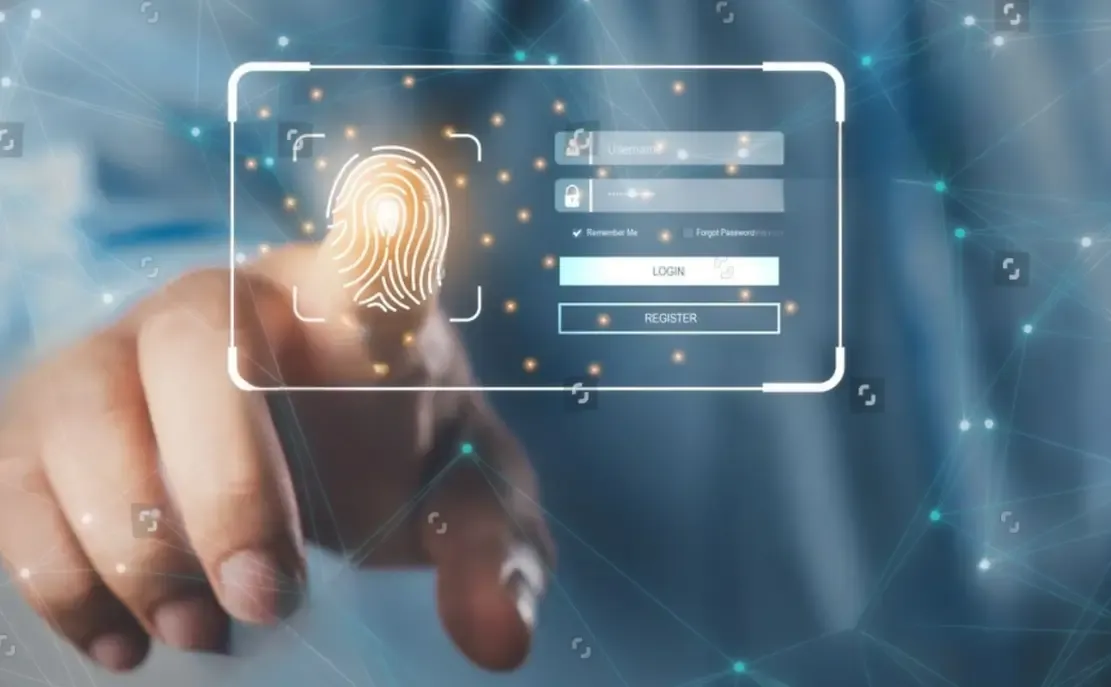
Every interaction matters,every action tracked,each operation captured form a cyber imprint.Such marks disclose facts about yourself, excluding cookie use without explicit tagging. Delve into browser uniqueness systems,a strategy scrutinizing your private browser ecosystem, extensions,utility add-ins,platform software, alongside Browser Fingerprint Detection time region to generate a characteristic model – your identifier.This invisible label is used by promoters,surveillance parties,and harmful agents to detect your presence on platforms,adapt ads,follow web readership, and even create comprehensive records of your preferences.Grasping browser ID systems is necessary to defending your secrecy in the electronic period.
- Familiarizing with fingerprinting aspects facilitates well-founded safety measures in online environments.
- Exploiting safeguarding resources curtails risks from insidious monitoring.
As a result, observing your virtual imprints and mitigating their effects is critical to maintain confidentiality across connected domains.
Concealed Risk: Discovering and Controlling IP Leakage
Exclusive content (property rights) signifies a prized asset for institutions. Defending this precious holding from compromise is paramount. Nonetheless, IP breaches may be covert, often unrecognized until extensive detriment manifests. A potent methodology for detecting and preventing IP exposures is essential. This requires installing robust protections to defend sensitive data. Regular security reviews assist in identifying weaknesses and anticipated risks. Moreover, coaching staff on the weight of IP defense is essential a milieu of attentiveness, significantly reducing the risk of IP leaks.Uncovering the Core Involving Digital Profiles
Moving the broad area of the online world can feel like journeying through a maze of unidentified characters. Every participant, identified by a one-of-a-kind IP label, leaves a network signature that can unveil their internet patterns and site. But how accurate are these deductions? And what are the ethical results of such profound IP address examinations? This analysis examines the intriguing sphere of IP address assessment, disclosing both its advantages and drawbacks.
Whether or not, you're a data defender, a thoughtful entity, or simply attentive to cyber privacy, understanding the elements of IP address lookups is essential.
- Let us investigate the working principles behind these probes, clarifying how they proceed and the insights they offer.
- What's more, we'll examine the ethical implications surrounding IP address checkups, exploring its profits and perils.
- Hence, we'll furnish you with the understanding needed to navigate the online world safely and secure your anonymity.
Defend Your Connections: A Guide to DNS Leak Testing
Within the comprehensive internet realm, protecting your network confidentiality is imperative. A common vulnerability often passed over by users is DNS spills.These exposures arise when your device communicates sensitive DNS requests to unapproved recipients, possibly disclosing your web habits and geographic details to third parties. Performing a DNS leak test is mandatory to detect these weaknesses and maintain your connections remain immune.
A DNS leak test involves sending precise DNS queries and surveying the outcomes. Dependable leak-testing programs scrutinize these data to establish if any traffic is passed through erroneous nodes.
- Several DNS leak test tools are provided on cyber portals.
- Adopt solutions that feature broad scanning capabilities.
- Engage in tests continuously to track your network's risk level.
Using effective techniques and conducting regular DNS leak tests, you can enhance your online confidentiality and obtain a strengthened web surfing session.
Hidden Digital Marking| The Secret Side of Your Internet Use
Each time you visit the digital realm, a unique imprint is formed. This process, known as browser fingerprinting, observes your online participation by looking at minute attributes about your system. It resembles a digital emblem that discloses your presence even if you are not signed up.
- Browser fingerprinting employs a large variety of metrics, such as your browser settings, installed typefaces, screen resolution, and even the utilities you operate.
- This wide-ranging collection of data can be gathered into a unique profile that distinguishes your hardware with noteworthy accuracy.
- The effects of browser fingerprinting range from individualized campaigns to the capability to follow your online activity without your acknowledgment.
As you move through the digital sphere, being cognizant of this silent tracker is fundamental. By recognizing how browser fingerprinting functions, you can take measures to safeguard your personal data.
Is Your Network Identity at Risk?
In the current digital landscape, protecting your private details on the internet is mandatory. Yet, are you cognizant that your IP address, a singular indicator assigned to your device, can be inadvertently revealed? Such an IP leak can threaten your protection, rendering you susceptible to various online dangers. Understanding how IPs function and adopting powerful protection methods is essential to keep data protected.
- Make use of a trustworthy VPN that encrypts your internet traffic and conceals your IP address.
- Periodically update your software and operating system to patch any vulnerabilities.
- Use discretion when clicking on links or downloading files from questionable sources.
Beyond Basic IP Tracking: Analyzing Browser Fingerprints
Within cyber surveillance, relying solely on IP addresses offers a restricted viewpoint. While IPs provide a basic sign to a user's positional placement, they can be easily disguised. Browser fingerprinting offers a elevated method for distinguishing individuals online. Unlike IPs that tend to be relatively static, browser fingerprints provide a unique portrait based on the extensive settings, extensions, and characteristics belonging to each user's browser. This complex mosaic of data can display hidden details about a user's gadget, operating system, plugins, fonts, and even browsing history.
By studying these small contrasts, cybersecurity experts can develop a digital fingerprint that serves as a unique identifier for users, even when they try to hide their IP address. This formidable tool has diverse applications in areas such as fraud prevention, targeted marketing, and law enforcement.
Examining DNS Leak Hazards
Browsing the web may seem harmless, yet beneath the surface lie potential risks that could jeopardize your privacy and security. One such hazard is DNS leaks, a quiet flaw that triggers your web actions to be broadcast. When a DNS leak happens, your device sends DNS requests to open servers, revealing the websites you visit, even if you use a VPN or other protective measures. This can cause data exposure by malicious individuals, enabling them to monitor your browsing habits, steal confidential information, and potentially gain access to your accounts.
- Watch for DNS leaks by grasping their mechanics and potential risks.
- Choose a reliable VPN provider that equips robust DNS leak protection.
- Regularly assess your system for leaks to keep your online activities shielded.
Using proactive measures to mitigate DNS leaks backs your privacy and ensures a improved online browsing experience.
Understanding Effective IP Inquiry Approaches
- Foremost, select a solid IP lookup tool. Numerous online services and software provide this capability, some even utilizing advanced options like geolocation data and WHOIS information.
- Afterward, enter the IP address to investigate in the given input area. The tool will then retrieve information related to that address, offering a full report on its origin, location, and maybe even owner details.
- It is important to use IP lookup tools appropriately, avoiding misuse or unauthorized intrusion into others' privacy. Use these tools only for legitimate purposes like cybersecurity investigations or site analytics.
Preventing IP Leaks: Strategies and Technologies
In latest cyber environment, preserving your intellectual property (IP) is essential. Cyber data losses can cause serious consequences for entities of different magnitudes. To minimize this risk, organizations must adopt strong precautions to keep sensitive data away from unwanted access.A compound plan is vital, encompassing technological tools as well as trustworthy security standards. Intrusion prevention systems serve as the first line of defense, stopping malicious intrusions. Encryption of data scrambles secret records, preventing unauthorized viewing. Continuous software updates fix security flaws that could be exploited by attackers.Beyond technology, cultivating a aware workplace is vital. Employees should be coached on proper handling of confidential data, including strong password management, multi-factor authentication, and identifying phishing scams. Regular security audits evaluate weaknesses and open opportunities to enhance defenses.
Advancing Online Protection: Browser Fingerprint and IP Leak Solutions
In today's networked world, safeguarding your online privacy is essential. Though hard passwords and multi-factor authentication play a role, they alone cannot offer full protection against ever-evolving threats like browser fingerprinting and IP leaks. Browser fingerprinting is where websites collect unique identifiers about your software setup, essentially creating a digital mark used to track your engagement across the web. IP leaks happen when your true IP is manifested unintentionally, putting your confidentiality at risk. To counter these effectively, deploy combinations of strategies.
- Implement privacy-centered browsers and search engines that emphasize data protection and anonymity.
- Add browser extensions that block trackers, cookies, and fingerprinting scripts.
- Research virtual private networks (VPNs) to encrypt your cyberspace traffic and hide your IP address.
- Frequently update your browser and operating system to remedy gaps.